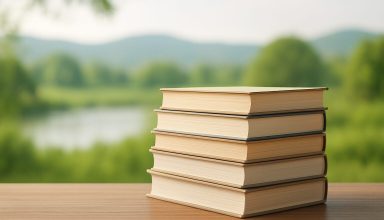
Anxiety has become one of the most discussed mental wellness topics in recent years, affecting people across different age groups and lifestyles. Research consistently shows that stress related to work, finances, relationships, and modern technology has increased significantly, making reliable educational resources more valuable than ever. Among the many tools available for self-improvement, books remain one of the most trusted ways to understand anxious thoughts and develop healthier coping strategies. Many readers searching for best books about anxiety (najbolje knjige o anksioznosti) want guidance that combines practical knowledge with evidence-based techniques, helping them gain confidence while learning at their own pace. A carefully selected book can provide structure, reassurance, and actionable exercises that encourage long-term emotional growth.
Why Do Anxiety Books Continue to Grow in Popularity?
The increasing demand for anxiety-related literature reflects a broader awareness of mental health. Surveys conducted across multiple countries indicate that millions of adults experience periods of excessive worry each year. At the same time, more people recognize the importance of early education and self-care before symptoms interfere with daily responsibilities.
Books offer several advantages compared to short online articles. They explain psychological concepts in greater depth, provide practical exercises, and allow readers to revisit important chapters whenever needed. This flexibility makes them valuable companions for personal development.
What Makes a Quality Anxiety Book?
Not every publication provides the same level of usefulness. High-quality books generally focus on clear explanations, practical guidance, and realistic expectations rather than quick fixes.
Readers often benefit most from books that include:
Easy-to-understand language
Practical relaxation exercises
Step-by-step coping strategies
Real-life examples and scenarios
Scientific research presented in an accessible way
Reflection questions that encourage personal growth
These characteristics help transform complex psychological ideas into manageable daily habits.
What Statistics Tell Us About Anxiety Education
Mental health awareness has expanded dramatically over the past decade. Educational campaigns, workplace wellness programs, and public discussions have encouraged more people to seek reliable information before anxiety becomes overwhelming.
Recent studies consistently highlight several important trends:
Anxiety-related conditions remain among the most common emotional health concerns worldwide.
More individuals are using educational resources alongside professional support.
Reading-based self-learning improves understanding of emotional responses.
Consistent learning encourages healthier long-term coping habits.
People who actively educate themselves often become more confident when discussing mental wellness.
These findings demonstrate why educational reading continues to play an important role in personal wellbeing.
Can Reading Alone Reduce Anxiety?
Books are valuable educational resources, but they work best when combined with healthy daily habits. Reading helps people understand why anxiety develops, how the brain responds to stress, and which coping techniques have been supported through research.
Many readers discover practical methods such as:
Deep breathing exercises
Mindfulness practices
Journaling routines
Better sleep habits
Healthier daily planning
Balanced thinking techniques
Applying these strategies consistently often creates greater benefits than simply reading about them once.
How Should Readers Choose the Right Book?
Individual needs vary considerably. Someone experiencing occasional stress may prefer introductory educational material, while another reader may look for detailed explanations of cognitive techniques or emotional regulation strategies.
Before selecting a book, consider:
Personal reading style
Preferred level of scientific detail
Practical workbook exercises
Everyday applicability
Clear organization and readability
Positive and encouraging writing style
Choosing a book that matches personal learning preferences increases the likelihood of finishing it and applying its lessons.
Are Anxiety Books Helpful for Families?
Educational resources are not only useful for individuals experiencing anxiety. Family members, friends, and caregivers can also benefit from learning more about emotional wellbeing.
Understanding common anxiety symptoms helps improve communication, reduce misunderstandings, and encourage supportive conversations. Greater awareness often leads to stronger relationships and more compassionate responses during stressful situations.
Parents may also gain useful insights into helping children develop emotional resilience through healthy routines, calm communication, and age-appropriate coping skills.
How Can Readers Get the Most Value From These Books?
Simply reading a book from beginning to end is only the first step. Lasting improvement often comes from actively practicing the suggested techniques and reviewing important concepts regularly.
Helpful approaches include taking notes, highlighting meaningful passages, completing recommended exercises, maintaining a journal, and setting achievable weekly goals. Small, consistent actions usually produce greater long-term results than attempting major lifestyle changes all at once.
Final Thoughts
Educational books remain one of the most accessible resources for understanding anxiety, improving emotional awareness, and building healthier responses to everyday stress. While every person’s journey is unique, reliable reading materials can provide valuable knowledge, practical guidance, and renewed confidence. Combined with healthy routines and professional support when necessary, thoughtfully chosen books become powerful tools for lifelong emotional wellbeing, helping readers better understand themselves while creating sustainable habits that support resilience and a more balanced life.