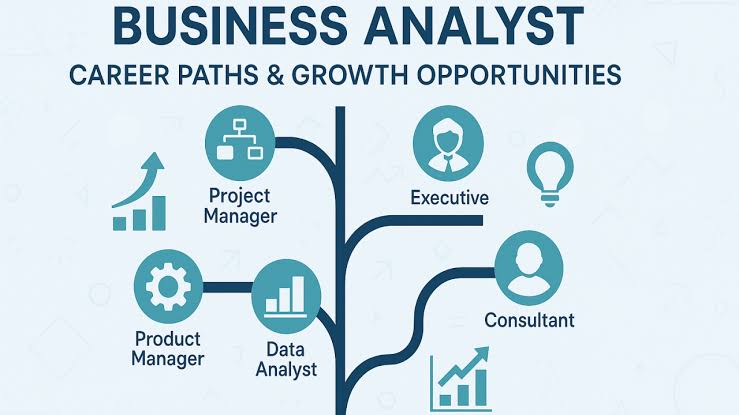

Professional development remains one of the most effective ways to build practical skills, strengthen career opportunities, and stay competitive in fast-changing industries. Whether through coding programs, certification courses, leadership workshops, healthcare and PMP bootcamps, or technical training, professional education can provide both immediate workplace value and long-term career growth.
Professional development can serve different purposes depending on career goals. Some professionals pursue training to prepare for industry certifications, while others focus on gaining practical knowledge they can apply directly to their current roles. In both cases, targeted learning helps individuals strengthen expertise, increase credibility, and remain adaptable in evolving industries.
Formal education plays an important role in career advancement, but it is not the only pathway to professional growth. Many professionals overlook the value of continuing education after earning a college degree, assuming their academic background alone is enough to sustain long-term success.
However, specialized training and certifications often create a strategic advantage. Focused skill development can help professionals become trusted resources within their organizations and industries. Understanding the benefits of professional development can help individuals make informed decisions about investing in their careers.
What to Expect From Professional Development and Boot Camps
Professional development programs and training boot camps are designed to help individuals grow their skills, expand professional networks, and transition into new career opportunities.
Many programs follow an intensive learning format in which participants focus on a specific subject for a concentrated period of time. Courses and boot camps commonly last approximately one workweek or around 40 hours. High-quality programs often condense weeks of material into an accelerated and structured training experience.
Training topics vary widely and may include project management, cybersecurity, cloud computing, software development, leadership, and technical certifications. Most introductory programs require little to no prior experience, making them accessible to professionals entering a new field or expanding their expertise.
The primary goal of these programs is to help participants gain practical proficiency and industry-relevant knowledge within a relatively short timeframe.
The Challenges of Certification Exams
Professional certification exams are often rigorous, time-consuming, and designed to validate both theoretical understanding and practical application.
Some certification exams involve hundreds of questions and several hours of testing, requiring strong preparation strategies and disciplined study habits. Many professionals underestimate the complexity of these exams during their first attempt, especially when relying solely on self-study materials without structured guidance.
Common preparation mistakes include:
- Watching training videos only once
- Relying entirely on independent study
- Underestimating exam difficulty
- Failing to complete enough practice questions
- Attempting the exam without sufficient exam simulation experience
Even professionals with extensive industry experience may struggle if they approach certification exams without a structured preparation plan.
Why Structured Training Programs Matter
For many professionals, enrolling in a structured boot camp or preparation course becomes a turning point in the certification journey.
Comprehensive training programs often combine expert instruction, study materials, practice exams, and exam-taking strategies into one organized learning experience. Many participants discover that guided instruction helps clarify difficult concepts, improve focus, and build confidence before the exam.
Effective preparation strategies often include:
- Registering for an official or accredited training program
- Studying approved learning materials and exam guides
- Using practice exam simulators and question banks
- Scheduling the certification exam shortly after completing training
Structured programs can help participants better understand exam expectations, pacing strategies, and key knowledge areas while reducing the inefficiencies of studying alone.
Benefits of Professional Development and Boot Camps
Professional development programs provide more than certification preparation. They also offer long-term career and networking benefits that extend well beyond the classroom.
1. Access to Experienced Instructors
One of the biggest advantages of professional training programs is the opportunity to learn directly from experienced industry professionals.
Expert instructors often provide practical insights, real-world examples, and guidance that go beyond textbooks and study guides. Small class sizes also allow participants to receive more personalized attention and support throughout the learning process.
In many cases, instructors continue serving as mentors or professional resources even after the training program has ended.
2. Better Certification Preparation
Certification-focused boot camps are specifically designed to prepare participants for difficult exams.
Structured courses help professionals understand:
- What topics to prioritize
- How to approach exam questions
- How to manage study schedules effectively
- When they are ready to take the exam
Compared to self-study, guided programs often reduce wasted time and improve exam readiness through focused instruction and repeated practice.
3. Expanded Professional Networks
Professional development programs frequently bring together participants from different industries, regions, and professional backgrounds.
This creates opportunities to:
- Build industry relationships
- Share experiences and perspectives
- Learn about job opportunities
- Develop collaborative skills
Networking is often one of the most valuable long-term benefits of attending professional training programs.
4. Career Advancement Opportunities
Professional certifications and technical training can strengthen qualifications for promotions, leadership roles, and specialized positions.
In some industries, certifications may even be required for specific jobs or contracts. Organizations often seek professionals who can demonstrate verified expertise through recognized credentials and practical experience.
Professional development programs help individuals remain competitive while preparing for expanding responsibilities and leadership opportunities.
How to Identify Reputable Professional Development Programs
Choosing the right training provider is essential for maximizing the value of professional development.
Reputable programs are often associated with recognized certification bodies, industry standards organizations, or accredited training partnerships. High-quality providers typically offer:
- Experienced instructors
- Structured learning paths
- Practice exams and study resources
- Industry-recognized curriculum
- Student support and mentorship
- Updated content aligned with current standards
Researching accreditation, instructor credentials, student reviews, and certification success rates can help professionals identify trustworthy training opportunities.
The Growing Importance of Professional Training
Professional development and boot camps continue to grow in popularity because industries increasingly value specialized skills and practical expertise.
As technology, business operations, and project management practices evolve, professionals must continuously update their knowledge to remain effective and competitive. Accelerated training programs provide an efficient way to develop high-demand skills without committing to long-term academic programs.
Programs aligned with recognized certification standards often provide the strongest long-term value because they combine practical training with industry credibility.
Is Professional Development the Right Choice?
Professional training and boot camps can benefit individuals at nearly every career stage, from early-career professionals to experienced leaders seeking specialization or advancement.
Continuing education supports:
- Career transitions
- Leadership development
- Technical skill growth
- Professional credibility
- Networking opportunities
- Long-term career resilience
Whether pursued after graduation, during a career shift, or later in an established profession, professional development helps individuals strengthen expertise and demonstrate commitment to continuous learning.
The long-term value of professional development ultimately depends on how effectively the knowledge, skills, and certifications are applied in real-world professional environments.